Positioning strategy built on commercial data — for founders and revenue leaders whose story has stopped doing commercial work.
Most positioning is built on the wrong customer.
Brands research the loudest one, not the most valuable one. They build the message around the customer who gives the most feedback — not the segment with the highest LTV and the largest growth opportunity. The result is positioning that feels right internally and underperforms commercially.
At seed stage, weak positioning is a nuisance. At Series A, it is a CAC problem. By Series B, it is a retention problem, and a board conversation. The longer it goes unfixed, the more expensive the symptoms become.
I have been in the room where dull positioning costs you money. Here’s how to fix it.
Not as a consultant watching from the outside. As the person responsible for the number. I know what sharp positioning does to a pipeline, a CAC, and a sales cycle because I have lived inside all three.
-
Most positioning is built on the wrong customer.
Founders default to building the message around whoever gives the most feedback. The customer who emails. Who shows up at events. Who has strong opinions. That customer is vocal — but they are often not the customer with the highest LTV, the largest addressable segment, or the most replicable acquisition path.
The result is positioning that feels right internally and underperforms commercially. You attract more of the customers you have already been talking to. The growth opportunity — the segment most worth winning — stays under-addressed.
Find the growth customer first. Understand them with rigour. Build the positioning around them. That sequence is the difference between a message that generates interest and a message that closes deals.
That belief is what we are built on. And it is what I have done — repeatedly, in markets where positioning is unusually high-stakes — across health tech, consumer subscriptions, DTC, and B2B.
-
What operator experience actually means.
Most positioning consultants have either operated inside one company, or consulted across many without owning the outcome. I have done both. And the operator half is what makes the consulting half sharp.
When I was General Manager at ZOE, weak positioning showed in my pipeline. Not a client's — mine. That accountability changes how you think about the problem. You are not optimising for a deck that impresses. You are fixing something that has a real cost.
Flo Health: Unicorn
Flo was growing fast — but the message was limiting who converted and what they paid. The product was already a women's health platform. The positioning said period tracker. Repositioning was not a branding exercise. It was a jobs-to-be-done decision: which job were we hiring ourselves to do for the buyer? Getting that right changed the conversion profile, the ARPU, and the addressable market. 240M to 360M installs. +20% ARPU.
ZOE
I joined ZOE as General Manager with a clear brief: grow the business. The positioning challenge was specific — justifying premium pricing for a nutrition programme in a market full of free alternatives. The answer was not in the product features. It was in the job the growth customer was hiring ZOE to do, and in the credibility signals that made the right buyer believe we could do it. Doubled the business in 24 months.
Bloom & Wild
Flower delivery is a commodity. Emotional gifting is not. The work at Bloom & Wild was identifying which category the brand was actually competing in from the customer's point of view — and then building the positioning and creative strategy around that. When the category frame is right, organic growth follows. 400% year-over-year growth.
Alongside the operator work, I have consulted with founders and revenue leaders at Incident.io, Flagstone, Cronofy, SYSTM, LavinHQ, and GlaxoSmithKline, Oxford Online Pharmacy, Jude and Daniel Priestley’s portfolio — bringing the same diagnostic approach to message-not-landing problems across B2B SaaS, developer tools, fintech, and pharma.
-
Your team won't be waiting months to use any of this.
Every Sharpening engagement is delivered with a set of AI-ready assets — built from the positioning strategy and designed to give your team execution velocity from day one. Not a deck to reference. Tools to use.
Claude Skills
Your positioning, tone of voice, and messaging house encoded as AI prompts. Your team can generate on-brand copy, emails, sales responses, and communications directly in their AI workspace — without briefing a copywriter or waiting for a review cycle.
Messaging toolkit
The messaging house and tone of voice delivered as a structured document your team can navigate instantly. Key messages by buyer stage, objection language, category framing — referenced in minutes, not excavated from a brand deck.
Sales assets
Pitch deck narrative, rep one-liner, and objection handling framework — built from the JTBD research and positioning strategy. Written to match how your growth customer thinks about the problem, not how your team describes the product.
At Series A, you are onboarding sales hires, briefing agencies, and building marketing infrastructure — all at the same time. Every one of those processes requires someone to explain the positioning. Without AI-ready assets, that explanation comes from whoever is nearest — and it is different every time.
Claude Skills solve this. A new rep can generate a prospecting email in your brand voice on their first day. A marketer can brief a designer without a two-hour positioning meeting. A founder can stop being the person who translates the strategy for everyone else.
Clients
ZOE Health
Flo Health
Oxford Online Pharmacy
Incident.io
Jude
GlaxoSmithKline

Cronofy: Positioning

SYSTM: Positioning
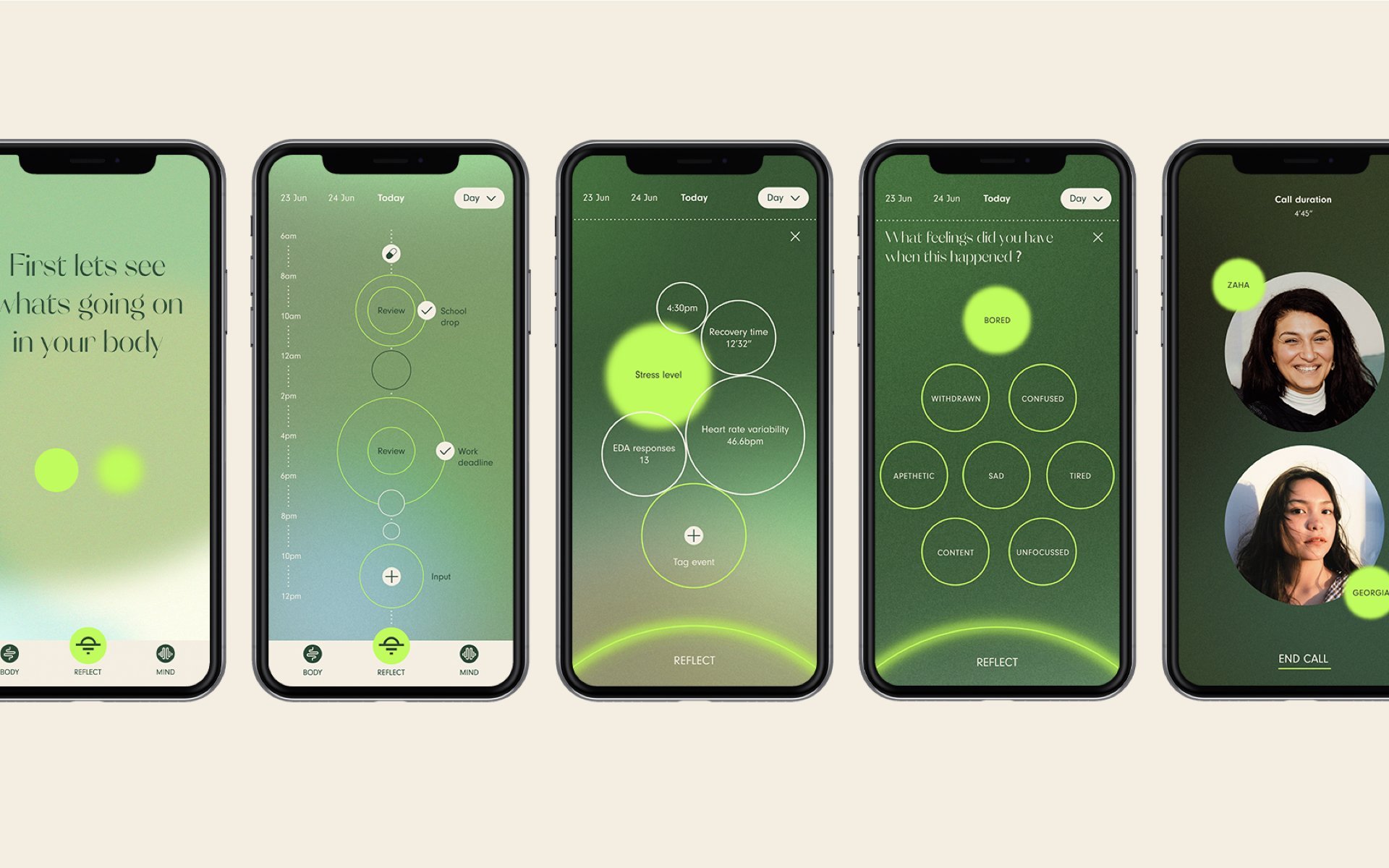
GSK Next: Positioning

Incident.io: Positioning and sales

COVID Symptom Study: Zero to 4.5m downloads globally

Carol Bike: Positioning

ZOE Health: App onboarding

Bloom & Wild: Positioning

Flagstone: Positioning and Visual Identity

ZOE Health: Influencers & PR

The AA: App ecosystem design

Bloom & Wild: TV campaign
